
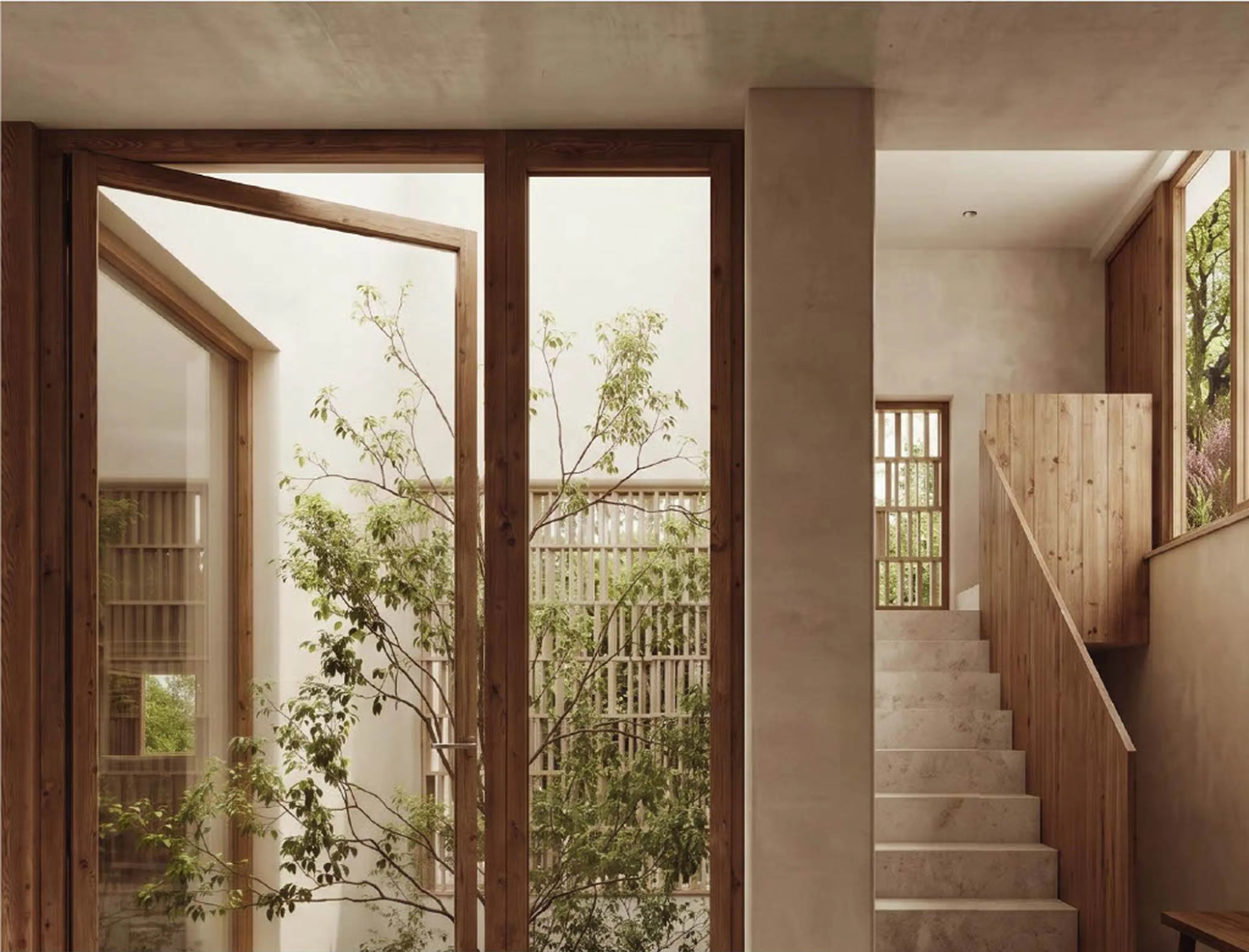
Every casement runs on rotational force. TORQ engineers that force to TORQ feel effortless.
Torq
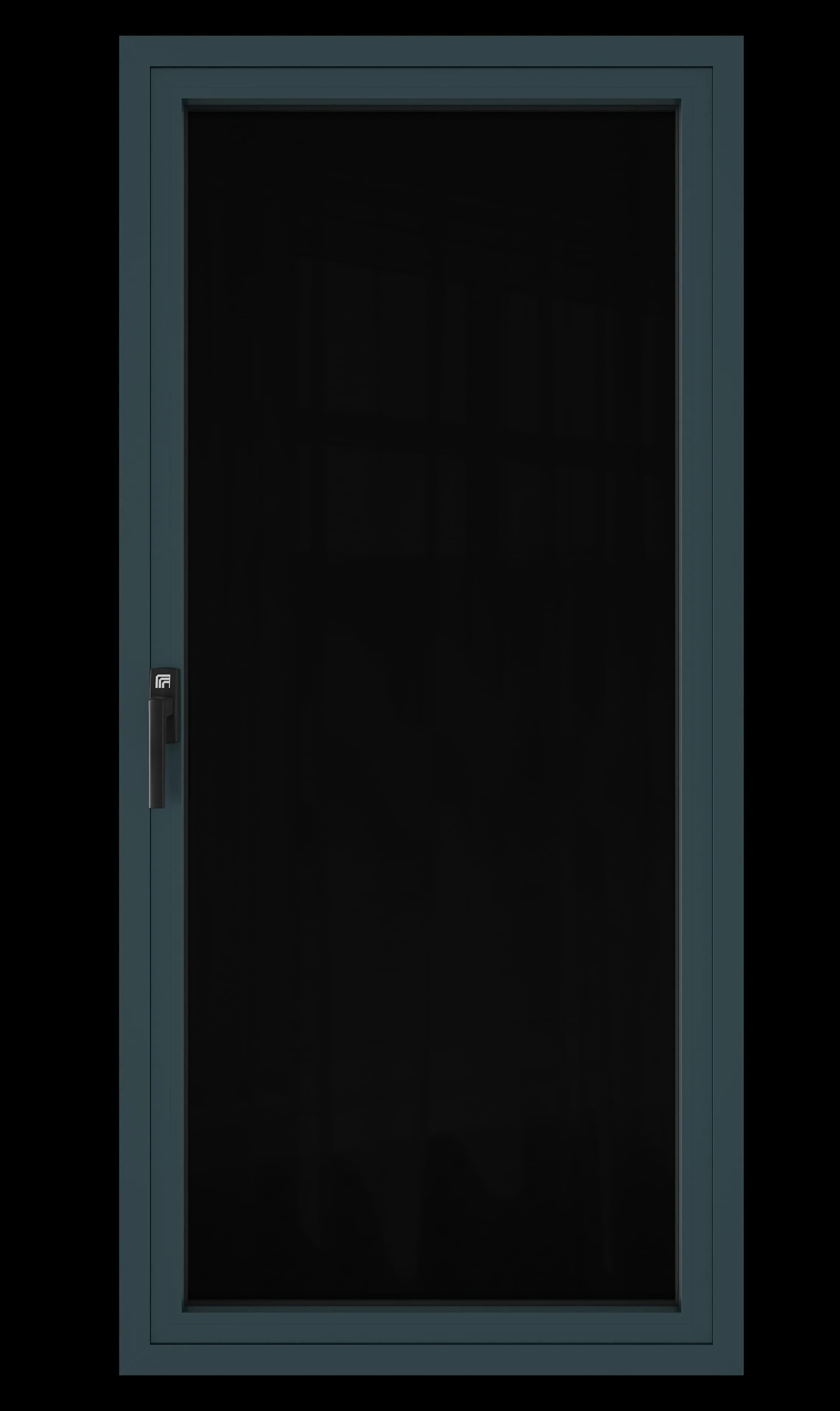
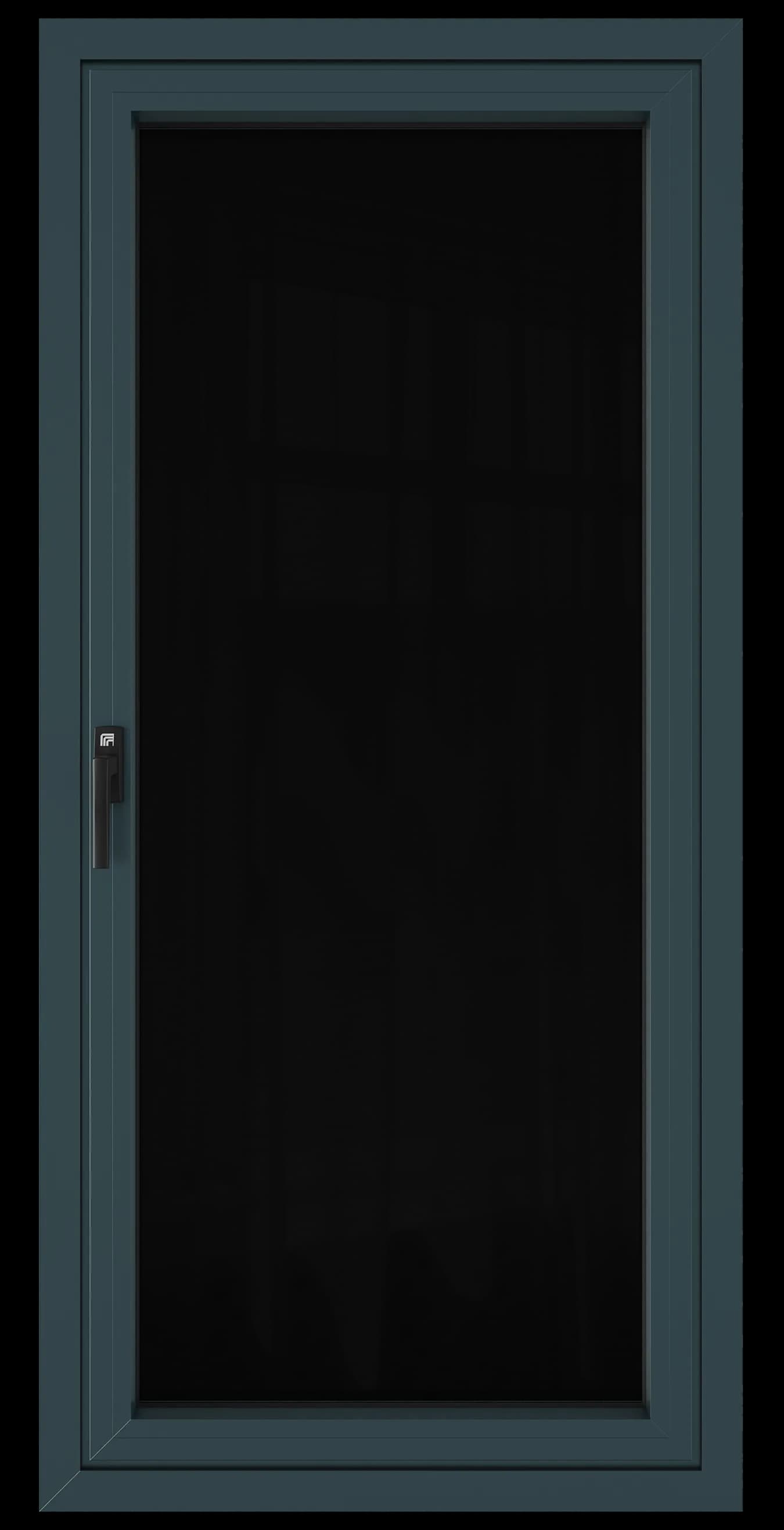
Torque is the rotational force every casement window depends on. Every hinge, handle, and seal must manage it precisely. TORQ is engineered entirely around that force, so every opening and closing feels the same on day one as it does twenty years later.
The Knowledge Base
Framing the most frequently asked questions from architects, designers, and homeowners
Which Ammore system is right for my project?
It depends on the opening and how you want it to move. GLIDE and CHORD are sliding windows, ATLAS is a lift-and-slide system for large, heavy panels, TORQ is a hinged casement window, TRUSS is a pivot door, and FOLD ARRAY is a sliding-folding system that opens an entire wall.
What glass options can I choose?
Depending on the system, you can choose single glass, double glazed units (DGU) or laminated glass. For example, CHORD 43 takes 6/8/10 mm single glass, 24/28/30 mm DGU, or 11.52/13.52/17.52 mm laminated glass, while ATLAS accepts glass from 18 mm to 42 mm.
How large can a window or door be?
Maximum heights range from 1500 mm on TORQ 40 up to 3000 mm on CHORD 36, CHORD 43, TRUSS and FOLD ARRAY. ATLAS goes further, with single sashes up to 1800 mm wide, 3600 mm high and up to 440 kg in weight.
Which finishes are available?
All systems are available in powder coating, wooden finish, architectural shades and anodizing, so the frames can match both residential and commercial interiors.
What hardware and locking do the systems use?
Sliding and casement systems offer single and multipoint locks with handles, and insect mesh is optional on GLIDE and CHORD 30/36. ATLAS and TRUSS use integrated Sobinco hardware, including Stiletto hinges and Orca locking on TRUSS, with key cylinder locking for added security.